
Category: Uncategorized

  • Environmental Crimes in the Rural Sector: How to Avoid Convictions

    Environmental Crimes in the Rural Sector: How to Avoid Convictions

    Criminal Environmental Liability Is Expanding

    Criminal liability for environmental offenses has become an increasingly frequent reality in the Brazilian rural sector. Farmers, entrepreneurs, managers, and technical professionals have been targeted in investigations and prosecutions based on Law No. 9.605/1998 (Environmental Crimes Law), whose sanctions include imprisonment, fines, shutdown of activities, and imposition of environmental remediation measures.

    These criminal proceedings typically arise from administrative infractions, geospatial data cross-checking, field inspections, anonymous complaints, or direct actions by the Public Prosecutor’s Office. Given this scenario, legal defense must begin as early as the investigation stage, with a strategic, technical, and timely approach.


    What Are Environmental Crimes?

    Environmental crimes are behaviors classified as criminal offenses under Law No. 9.605/1998 that harm or pose a risk to the environment. For conduct to be considered criminal, the following elements must be present:

    • An unlawful act (either by action or omission);

    • Authorship or co-authorship (involving natural or legal persons);

    • Result or potential for environmental harm;

    • Lack of proper authorization, license, or legal compliance.

    Liability may affect both individuals (such as landowners, managers, or technicians) and legal entities, including the imposition of autonomous criminal sanctions on companies.


    Who Can Be Prosecuted?

    Depending on the type of offense, the following parties may be investigated and charged:

    • Farmers, squatters, or leaseholders;

    • Business owners, managers, and legal representatives of ventures;

    • Engineers, agronomists, and technicians responsible for licensed activities;

    • Company shareholders, administrators, and board members;

    • Legal entities, including cooperatives and associations.


    Main Environmental Crimes Faced in Rural Areas

    The most common criminal offenses in rural and agro-industrial contexts include:

    • Art. 38: Illegal deforestation or deforestation without valid authorization;

    • Art. 38-A: Clearing of vegetation in Permanent Preservation Areas (APP) or Legal Reserves (RL) without proper regularization;

    • Art. 54: Pollution due to improper use of pesticides or waste;

    • Art. 29: Mistreatment of wildlife;

    • Art. 41: Use of fire in rural areas without authorization or proper control;

    • Art. 60: Starting or operating an activity without an environmental license;

    • Art. 40: Unauthorized intervention in conservation units;

    • Art. 68: Omission in adopting environmental damage prevention and control measures.


    Stages of the Environmental Criminal Process

    The environmental criminal process follows several stages:

    1. Police Investigation or Misdemeanor Report (TCO): Preliminary inquiry into the facts;

    2. Public Prosecutor’s Inquiry: When there is no arrest in flagrante delicto, the Prosecutor’s Office may lead the investigation;

    3. Filing of Criminal Charges: Based on collected evidence, the Public Prosecutor formally brings the case to court;

    4. Summons of the Accused: The accused is called to present a defense;

    5. Hearing for Evidence and Trial: Witness testimony and evidentiary proceedings;

    6. Judgment: Acquittal or conviction with sentencing;

    7. Appeals Stage: Opportunity for appeal, habeas corpus, or criminal review.


    Applicable Penalties

    Penalties vary depending on the nature and severity of the crime:

    • Imprisonment ranging from 6 months to 5 years (depending on the criminal classification);

    • Court-imposed fines, which may be cumulative or independent;

    • Community service or restriction of rights;

    • Suspension or shutdown of economic activities;

    • Mandate to repair the environmental damage;

    • Sanctions applicable to legal entities, as provided by law.


    How to Structure an Effective Environmental Criminal Defense

    A successful defense requires a technical approach from the start of the investigation, aiming to dismantle the prosecution’s arguments and demonstrate the absence of intent, negligence, or criminal significance. Common defense strategies include:

    • Proving the defendant’s lack of direct responsibility;

    • Presenting independent expert reports that challenge official technical findings;

    • Demonstrating compliance with regulations or the existence of valid licenses;

    • Showing the absence of actual environmental harm or risk;

    • Challenging the admissibility of evidence obtained unlawfully or with procedural errors.


    Alternative Measures to Criminal Prosecution

    Environmental criminal law provides mechanisms to avoid formal conviction under certain circumstances:

    a) Conditional Suspension of the Criminal Process (Procedural Sursis)
    Under Article 89 of Law No. 9.099/1995, applicable to crimes with a minimum penalty not exceeding one year. The defendant agrees to certain conditions—such as paying a fine or reporting periodically—and the process is closed after successful compliance.

    b) Plea Bargain (Transação Penal)
    An out-of-court agreement for offenses of lesser potential harm. The Prosecutor’s Office may offer terms involving community service, financial payments, or environmental obligations.

    c) Non-Prosecution Agreement (ANPP)
    Since 2019, suspects may confess the crime and agree to terms negotiated with the Prosecutor’s Office, thereby avoiding the filing of criminal charges and obtaining dismissal after fulfillment.


    Criminal Liability of Legal Entities

    Companies may also be held criminally liable, independently of the liability of individuals, provided the unlawful act results from decisions or omissions by the company’s management or legal representatives. Possible criminal penalties include:

    • Substantial fines;

    • Activity suspension or prohibition;

    • Ban on public contracts;

    • Mandate to carry out environmental restoration;

    • Publication of the criminal conviction.


    The Importance of Legal Assistance from the Outset

    Environmental criminal defense requires technical involvement from the investigative phase, when legal strategy must be defined based on evidence, documents, and expert opinions. The attorney’s role should include:

    • Accompanying police interrogations and field operations;

    • Drafting a technical-legal response to the charges;

    • Producing independent environmental assessments;

    • Negotiating potential agreements with the Public Prosecutor;

    • Representing the client at all stages of the proceedings, including strategic appeals and oral arguments.

    Martins Zanchet Environmental Law Firm is dedicated exclusively to environmental criminal defense, providing legal assistance nationwide for companies and rural producers facing criminal proceedings for environmental infractions.


    Conclusion

    Being charged with an environmental crime poses a serious threat to one’s freedom, assets, and the continuity of rural or business activities. Specialized legal representation—strategic, technical, and based on solid evidence—is essential to protect the rights of the accused and to prevent unjust convictions.

    Neglecting a criminal case or relying on generic defense strategies can lead to harsh penalties and irreparable harm to reputation and operations. Prevention and prompt response are the cornerstones of effective environmental criminal defense.

    Are you under investigation or criminal prosecution for an environmental offense?
    Contact Martins Zanchet Environmental Law Firm and count on a team specialized in environmental criminal defense, with proven experience in protecting producers, business owners, and rural properties.
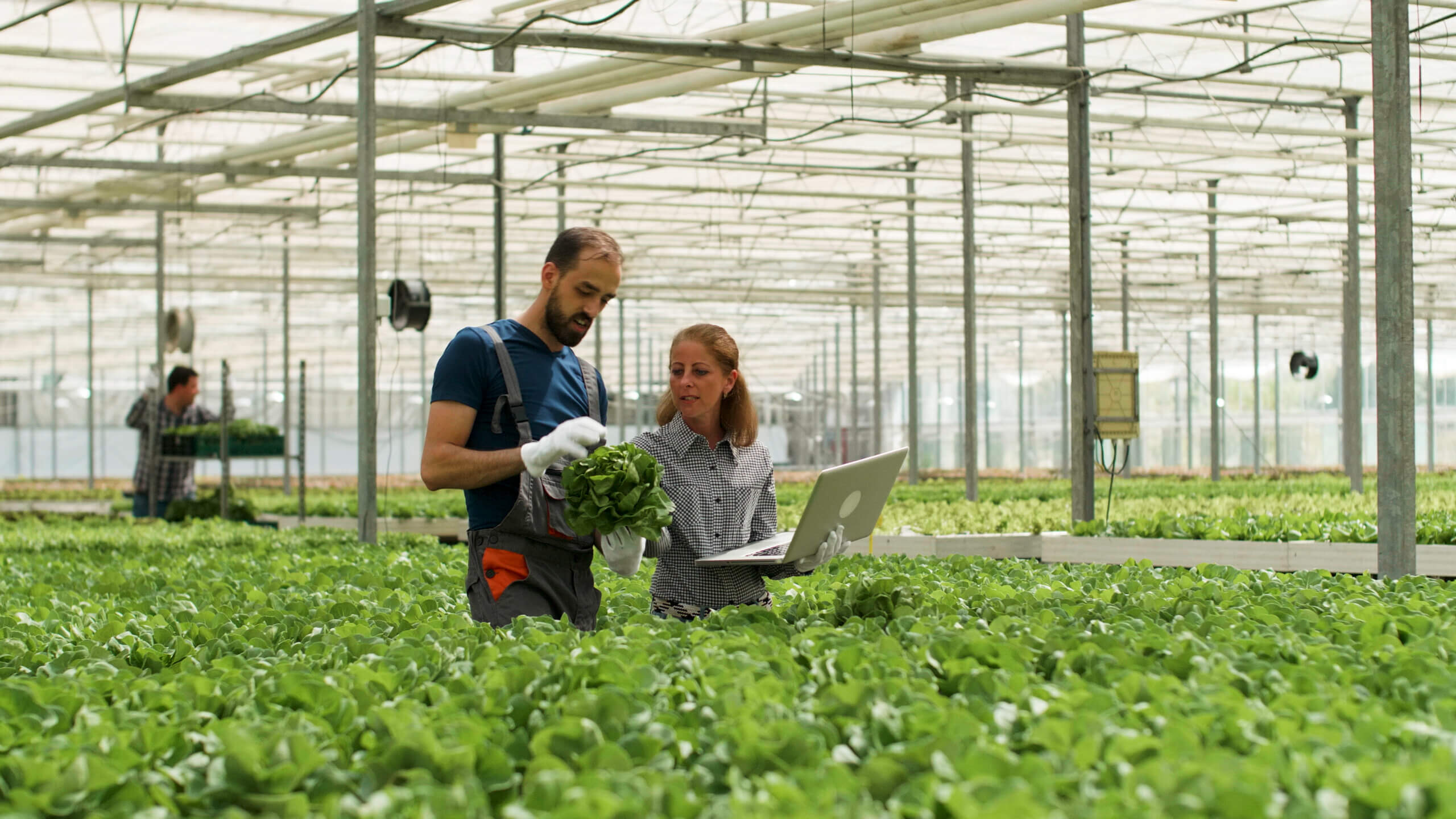

     

  • Technology in the Field: Agriculture 4.0 and Environmental Compliance

    Technology in the Field: Agriculture 4.0 and Environmental Compliance

    Agriculture 4.0 is already a reality in the Brazilian countryside and has been revolutionizing the management of rural properties. The incorporation of technologies such as sensors, drones, real-time monitoring and geospatial data analysis has created a new ally for rural producers: environmental intelligence. In addition to increasing productivity, these innovations have become essential to ensure compliance with increasingly stringent environmental legal requirements.

    Por que a agricultura 4.0 é essencial para a regularização ambiental?

    Com demandas crescentes por parte de compradores, certificadoras, órgãos ambientais e instituições financeiras, o uso de tecnologia é uma estratégia decisiva para manter a propriedade regularizada, segura e valorizada. A agricultura 4.0 permite ao produtor:

    • Identificar e delimitar áreas protegidas (APPs e Reservas Legais) com precisão por meio de georreferenciamento;

    • Detectar passivos ambientais e planejar sua recuperação;

    • Monitorar o crescimento da vegetação nativa com imagens de alta resolução;

    • Gerar relatórios automatizados para licenciamento ambiental e renovações.

    Tecnologias que transformam o campo

    Entre as principais ferramentas da agricultura 4.0 destacam-se:

    • Sensores de solo e clima para monitoramento eficiente do ambiente produtivo;

    • GPS e georreferenciamento, fundamentais para mapear e corrigir o Cadastro Ambiental Rural (CAR);

    • Drones e imagens de satélite para o acompanhamento em tempo real das áreas protegidas;

    • Softwares de gestão agrícola e ambiental que automatizam a coleta e análise de dados;

    • Big Data e inteligência artificial para tomadas de decisão precisas;

    • Internet das Coisas (IoT) conectando equipamentos e sensores para otimizar recursos.

    Aplicações práticas para garantir a conformidade

    • Monitoramento de APPs e Reservas Legais: Drones e satélites oferecem imagens periódicas que ajudam a controlar o desmatamento e a erosão, assegurando o cumprimento das obrigações ambientais.

    • Retificação do Cadastro Ambiental Rural: Softwares específicos permitem corrigir inconsistências no CAR, evitando problemas futuros com órgãos ambientais.

    • Uso eficiente da água: Sensores de umidade e estações meteorológicas otimizam a irrigação, evitando desperdícios e facilitando a obtenção de outorgas.

    • Gestão de resíduos e defensivos agrícolas: Plataformas de rastreabilidade evitam contaminação do solo e garantem o atendimento a condicionantes ambientais.

    Benefícios para licenciamento e prevenção de sanções

    Produtores que adotam essas tecnologias conseguem:

    • Automatizar a coleta de dados ambientais;

    • Gerar relatórios precisos e auditáveis, reduzindo erros e atrasos;

    • Facilitar a renovação de licenças e autorizações ambientais;

    • Monitorar eventuais embargos e interdições em tempo real;

    • Produzir provas robustas em defesas administrativas e judiciais.

    Integração com sistemas oficiais e exigências do mercado

    A agricultura 4.0 facilita a compatibilização com sistemas ambientais do governo, como SINAFLOR, SISFAUNA e CAR, reduzindo retrabalho e mantendo os cadastros atualizados. Além disso, grandes compradores, redes de supermercados, exportadores e certificadoras exigem comprovação de boas práticas ambientais. Com tecnologia, o produtor pode:

    • Gerar relatórios auditáveis;

    • Obter certificações como RTRS, Rainforest e Orgânico Brasil;

    • Tornar seu produto mais competitivo e valorizado no mercado.

    Tecnologia: investimento estratégico para o agronegócio

    Ainda existe a falsa percepção de que tecnologia é custo elevado. Na realidade, com a popularização e redução de preços, esses recursos se tornam investimentos que trazem alto retorno, especialmente ao evitar multas, embargos e perda de mercado.

    O papel do advogado ambiental na potencialização da tecnologia

    A assessoria jurídica especializada é fundamental para transformar os dados tecnológicos em ferramentas jurídicas eficazes, como:

    • Provas em processos administrativos e judiciais;

    • Relatórios para cumprimento de condicionantes ambientais;

    • Defesas técnicas perante órgãos ambientais;

    • Laudos ambientais com valor legal.

    Conclusão

    A agricultura 4.0 vai muito além do aumento da produtividade. Ela é ferramenta essencial para garantir conformidade legal, prevenção de riscos e proteção da propriedade rural. Com tecnologia e orientação jurídica adequadas, o produtor assegura segurança ambiental, financeira e institucional para seu negócio.

    Quer saber como implementar tecnologia ambiental na sua propriedade e usá-la a seu favor em processos legais e certificações? Fale com o Martins Zanchet Advocacia Ambiental e descubra soluções técnico-jurídicas completas para seu empreendimento rural.


    Whatsapp      Instagram    Youtube

    LinkedIn    Facebook

    Agende uma Reunião e veja como podemos ajudar

    [us_vwrapper][us_btn align=”center” label=”Agende sua reunião” link=”%7B%22url%22%3A%22https%3A%2F%2Fmartinsezanchet.com.br%2Fcontato%2F%22%2C%22target%22%3A%22_blank%22%7D” style=”1″ css=”%7B%22default%22%3A%7B%22animation-name%22%3A%22afc%22%7D%7D”][/us_vwrapper]


    Veja também!

    Posso construir em Áreas de Preservação Permanente – APP?

    Assista ao Nosso Podcast!

    Ou acesse diretamente pelo nosso canal do YouTube clicando AQUI!

  • Avoid Fines and Embargoes with a Technical Environmental Defense

    Avoid Fines and Embargoes with a Technical Environmental Defense

    The Expansion of Environmental Inspections and the Need for a Technical Response

    With the intensification of environmental inspections in Brazil, the number of rural producers, companies, and enterprises fined for environmental violations is growing. In many cases, these citations are issued automatically based on remote data—such as satellite imagery—without considering the actual operational context of the property.

    This trend has generated legal uncertainty and unjust penalties, making it essential to provide a qualified legal and technical response from the outset. When well-structured, a defensive strategy can lead to the annulment of infraction notices, mitigation of penalties, and preservation of the regularity of productive activities.


    What Is an Environmental Administrative Proceeding?

    An environmental administrative proceeding is a formal procedure initiated by the public authorities to investigate potential violations of current environmental legislation. It typically begins with the issuance of an infraction notice by an inspection agent, based on field operations, remote monitoring, or complaints.

    Its purpose is to establish administrative liability for the offender, as provided by Law No. 9,605/1998 (Environmental Crimes Law) and Decree No. 6,514/2008, potentially resulting in fines, embargoes, shutdowns, and other sanctions.


    Which Authorities May Impose Sanctions?

    The process may be initiated by various environmental administrative bodies, such as:

    • IBAMA (Federal level);

    • State Environmental Secretariats (e.g., SEMAD, SEMA, CETESB);

    • Municipal agencies with environmental authority;

    • Regulatory agencies and environmental authorities.

    Each body has its own procedural rules but must comply with the constitutional principles of due process, adversarial proceedings, legal certainty, and broad defense.


    Most Common Grounds for Environmental Fines

    The main infractions that lead to administrative proceedings include:

    • Deforestation or clearing of native vegetation without proper authorization;

    • Use of fire outside legal parameters;

    • Operating or establishing enterprises without a valid environmental license;

    • Pollution of natural resources above legal limits;

    • Failure to comply with conditions imposed in environmental permits;

    • Unauthorized interventions in Permanent Preservation Areas (APPs) or Conservation Units.


    Stages of an Environmental Administrative Proceeding

    1. Issuance of Infraction Notice: The initial document that records the alleged violation, identifying the alleged offender and the legal basis for the sanction;

    2. Notice to Present a Defense: The fined party is summoned to present a defense within 10 to 20 business days, depending on the authority;

    3. First-Level Judgment: The legal department of the environmental agency reviews the defense and issues a reasoned decision;

    4. Imposition of Penalty: If the defense is rejected, the applicable administrative sanction is imposed, with deadlines for compliance;

    5. Administrative Appeal: The defendant may appeal to a higher level within the same agency, presenting further arguments;

    6. Closure or Registration of the Fine in Public Debt: If not reversed or paid, the fine may be registered as public debt, leading to judicial enforcement.


    Possible Sanctions Upon Conviction

    • Simple, daily, or cumulative fines (ranging from R$ 1,000 to R$ 50,000,000, depending on the infraction and its impact);

    • Embargoes of areas, construction projects, or enterprises;

    • Suspension or cancellation of environmental licenses;

    • Temporary or permanent shutdown of activities;

    • Seizure of equipment and assets used in the violation.


    How to Present an Effective Technical Defense

    The response to the citation must go beyond a generic rebuttal. A consistent and strategic defense requires:

    • Technical analysis of the infraction notice: Assessing its formal legality, justification, and proportionality of the sanction;

    • Supporting documentation: Permits, maps, photographic records, technical reports, and statements proving lawful conduct;

    • Substantiated arguments: Highlighting technical or legal misinterpretations by the enforcement agency;

    • Specialized technical evidence: Environmental expert opinions, georeferencing studies, lab analyses;

    • Demonstration of good faith: Especially in cases without intent or where no significant environmental harm occurred.


    Common Mistakes to Avoid

    • Missing procedural deadlines: Ignoring notifications or failing to respond in time can lead to automatic sanctions;

    • Submitting generic defenses: Defenses lacking technical basis are usually rejected;

    • Relying solely on appeals: Appeals are supplementary and should not replace a well-prepared initial defense;

    • Overlooking ancillary obligations: Some sanctions can be reduced through compensatory measures, which must be requested on time.


    How a Specialized Law Firm Can Help

    Specialized legal representation is decisive in reducing the impact of fines and ensuring continuity of operations. Key services include:

    • Legal assessment of the infraction notice and its legal basis;

    • Collaboration with technical experts—environmental engineers, agronomists, and appraisers—to develop robust evidence;

    • Submission of a structured legal defense with regulatory and technical backing;

    • Negotiation of environmental agreements or regularization alternatives with the enforcement agency;

    • Monitoring the case until its conclusion, including judicial measures if necessary.


    What If the Penalty Is Upheld?

    If the administrative process ends with the penalty being upheld, there are still options:

    • Filing a lawsuit to annul or revise the infraction notice, especially in cases of procedural error, lack of environmental damage, or disproportionate sanctions;

    • Requesting installment payment of the fine under applicable agency resolutions;

    • Converting the fine into environmental services, where permitted;

    • Monitoring tax enforcement proceedings to avoid asset seizures or bank account freezes.


    Conclusion

    Environmental administrative proceedings must be addressed seriously and strategically, with technical-legal support from the outset. The way a citation is handled can determine whether the penalty is reversed, reduced, or fully enforced.

    A well-prepared defense—supported by legal reasoning, documents, and technical evidence—is the safest path to preserve the rights of the accused and ensure the lawful continuation of economic activities.

    Have you received an environmental citation or are facing an administrative process?
    Contact Martins Zanchet Environmental Law Firm. Our team operates throughout Brazil, offering comprehensive legal and technical solutions to protect you, your property, and your business.


    Whatsapp      Instagram    Youtube

    LinkedIn    Facebook

    Agende uma Reunião e veja como podemos ajudar

    [us_vwrapper][us_btn align=”center” label=”Agende sua reunião” link=”%7B%22url%22%3A%22https%3A%2F%2Fmartinsezanchet.com.br%2Fcontato%2F%22%2C%22target%22%3A%22_blank%22%7D” style=”1″ css=”%7B%22default%22%3A%7B%22animation-name%22%3A%22afc%22%7D%7D”][/us_vwrapper]


    Veja também!

    Posso construir em Áreas de Preservação Permanente – APP?

    Assista ao Nosso Podcast!

    Ou acesse diretamente pelo nosso canal do YouTube clicando AQUI!